PERFORMANCE BENEFITS
Are you trying to lose weight? Do you consume caffeine before exercise? Research states that consuming caffeine before exercise may give you some benefits. Me personally, I start every day with caffeine and protein. And just before working out, I take a little more. But be careful, too much caffeine may disrupt your sleep.
If you want to see how I start each day, click on the image below for my favorite protein coffee recipe.

Weight Loss
There must be something about caffeine and weights loss because caffeine seems to be in all burning supplements. So does it work? Acheson et al. (1980) was able to show that ingesting caffeine, or coffee, did increase weight loss and burned more fat in some subjects. How does it work? The mechanisms behind caffeine are simple: increased energy, increase caloric expenditure, and suppressed appetite. It does appear that caffeine works for weight loss; but, add exercise and a sound nutrition plan for even better results!
Need help with a diet and/or exercise plan? Click on the image below for more info on personal training.

Fat Burners
Fat burners have been proven to work, but, unfortunately, many of the weight loss studies were done with a caffeine/ephedra stack that no longer exists. Hackman et al. (2006) and Boozer et al. (2002) saw similar results where the treatment group lost more weight and burned more fat than the control group. The mechanisms were the same as previously stated: more energy and more caloric expenditure. But the ephedra stack was also causing some health issues, so in 2004, the FDA banned the sale of ephedra. Today, you can still buy fat burners that give you similar results as the ephedra/caffeine stack. Find one you like and get to working out!
Need more weight loss tips? Click on the image below for our best tips on losing weight!

Resistance Training
There haven't been many studies on the effects of caffeine on resistance training, but a recent study by Grgic et al. (2017) showed that caffeine may increase muscular strength and muscular power during a workout. The subjects also experienced less pain, which may have contributed to the increased performance. Some lifters even said the caffeine improved focus. In this study, they used caffeine doses of 400 to 600mg. Listen to your body and track your workouts to see what dosage is best for you. If you're looking for an extra push, caffeine may be exactly what you're looking for.
In addition, weight training also means stronger bones, a faster metabolism, and improved coordination. Don't know where to start? We recommend starting with our favorite hip extension exercises. Click the image below for more info.

Endurance Training
This is where caffeine really shines. Although not many studies have been done on weight training, there have been many studies conducted on endurance training. For example, Ivy et al. (2009) did a study on cycling performance after drinking Red Bull. The results showed improved performance, but the best part, the athletes didn't feel like they were doing more work. Caffeine allowed the athletes to work harder while masking the pain. This is great news! Less pain but more gain!
Want to burn more fat and improve your cardiovascular health? One of the best things you can do is high intensity interval training. Click on the image below for more info.
Carbohydrates
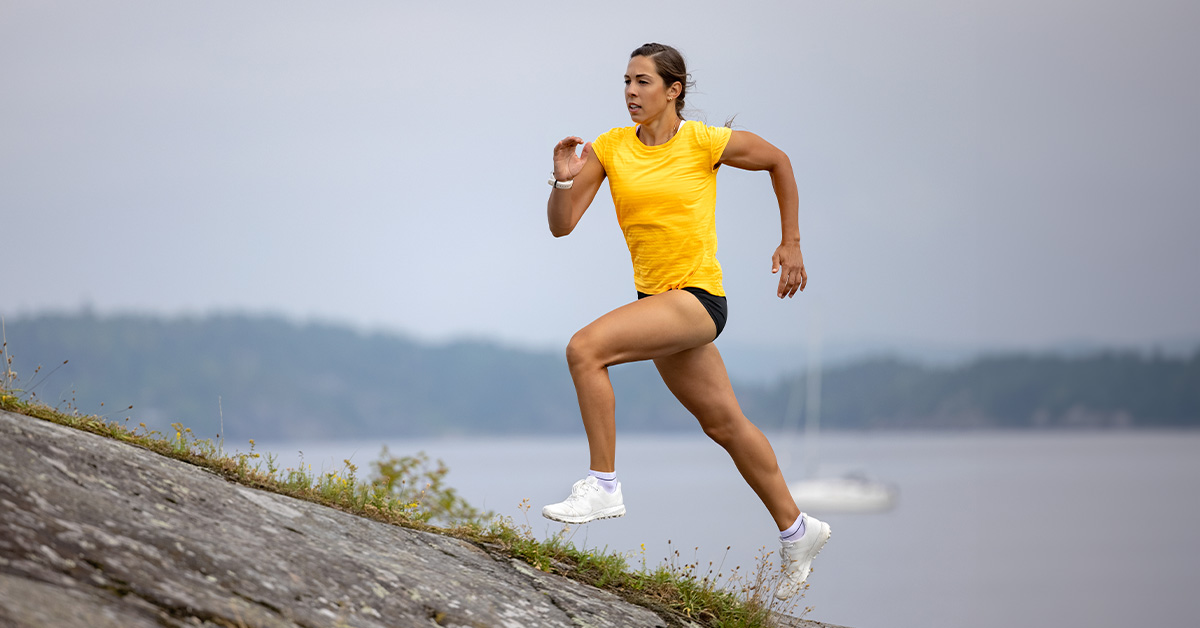
Carbs get a bad rap, but if you're active, then carbs can be your friend. There's a reason you see athletes drinking Gatorade or other sports drinks during competition. Sugar definitely helps with sports performance and the caffeine/carb stack may be even better! Gant et al. (2010) showed that soccer players improved sprint performance and counter movement jumping after consuming a carbohydrate/caffeine sports drink. Caffeine with carbs can help with your endurance events or long term training sessions.
Want to learn more about exercise science and sports nutrition? Our classes teach you how to become more efficient with your workouts! Click on the image below for more info on our classes.

Macros
I would be remiss if we talked about carbs and not about your other macros. A good health and fitness plan includes, resistance training, cardiovascular training, and a solid nutrition plan with macros in mind. Macro calculations include fats, protein, and carbs. There are many ways to calculate your macros, but if you want a very simple method, click the image below.

Caffeine After Your Workout?
So caffeine before your workout is beneficial, but, is caffeine after your workout beneficial as well? Taylor (2011) et al. showed that a post-exercise drink that included caffeine, improved exercise intensity the following workout too. This is not to say that caffeine will still be in your system the next day, but caffeine may help with recovery, which will get you ready for the next workout.
That wasn't the only study which showed positive results. Pedersen (2008) et al. showed a higher muscle glycogen resynthesis rate (66% higher) in carb + caffeine, than carbohydrate alone. There are more things you can do to reduce muscle soreness and speed up recovery. Click on the image below for more info on reducing muscle soreness.

Caffeine and Music
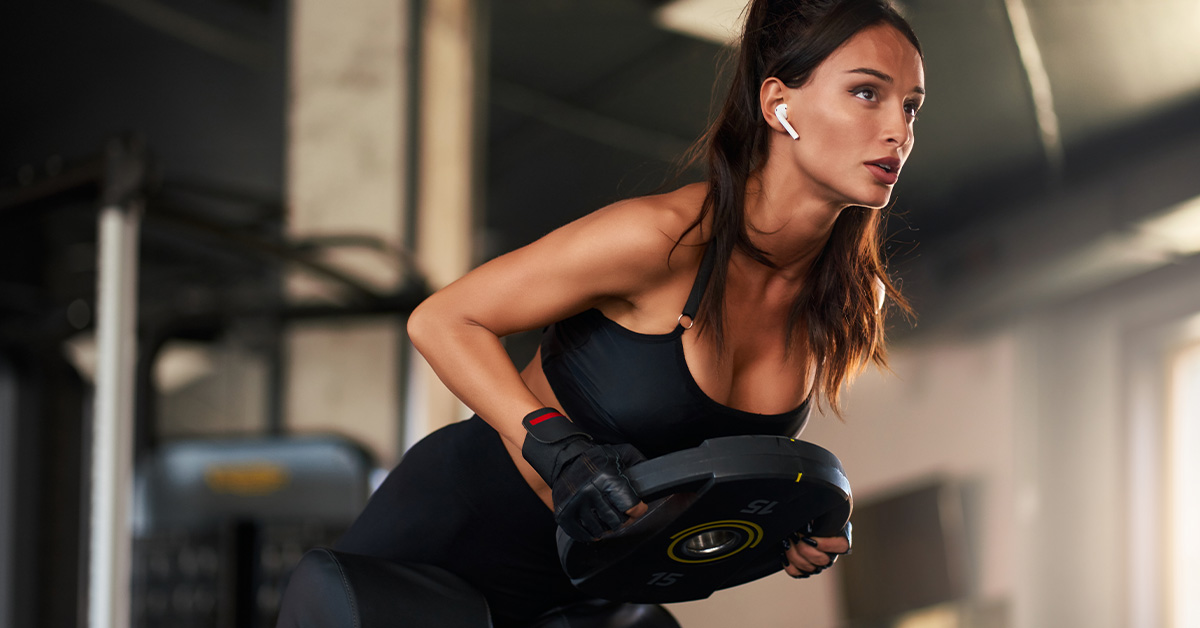
So far we know that caffeine helps improve your workout intensity. But want to know how to get an even bigger boost? Qiu et al. (2005) showed picking your own playlist while working out had an additive effect. Music alone gives you a bump, caffeine alone also gives you a bump, and the study above proved that both together are even better. So from now on, drink your coffee, pick out your playlist, and smash that workout!
And to read more about the benefits of music with your workouts, click on the image below.
Caffeine and Golf?
Do you play golf? Don't forget your water, caffeine, and snacks. An interesting study showed that caffeine can help your golf game. Stevenson et al. (2009) showed improvements in golf performance after the subjects consumed caffeine. The study was used to determine if the caffeine/carbohydrate mixture could delay any onset of physical and/or mental fatigue. During a simulated round of golf, the subjects were tested on several golf activates. The results showed that even skill movements, like putting, improved with the ingestion of carbohydrates and caffeine throughout the 4-hour period.
It was concluded that the carbohydrate/caffeine mix must improve focus. So next time you play golf, don't forget your water, carbs, and caffeine. Speaking of water, click the image below to read more about drinking water to improve sports performance.

Summary
Nowadays, you can find caffeine everywhere. It does appear that caffeine can be used to improve performance and to help you with weight loss. It's also been proven to help resynthesize glycogen for your next workout, if taken shortly after your workout session. The amount of caffeine to improve performance and increase fat burning will vary by individual. Listen to your body. Start with small doses and make notes of your performance and your mood.
Furthermore, if you want more tips on boosting your metabolism, click on the image below.

Sources:
Acheson, K.J., Ph.D., B. Zahorska-Markiewicz, M.D., Ph. Pittet, Ph.D., K. Anantharaman,2 Ph.D., and E. Jequier,M.D. Caffeine and coffee: their influence on metabolic rate and substrate utilization in normal weight and obese individuals. The American Journal of Clinical Nutrition 33: MAY 1980, pp. 989-997.
Boozer, C.N.; Daly, P.A.; Homel, P.; Solomon, J.L.; Blanchard, D.; Nasser, J.A.; Strauss, R.; Meredith, T. Herbal ephedra/caffeine for weight loss : a 6-month randomized safety and efficacy trial. International Journal of Obesity and Related Metabolic Disorders . May2002, Vol. 26 Issue 5, p593. 12p.
Gant , Nicholas; Ali, Ajmol; Foskett, Andrew. The Influence of Caffeine and Carbohydrate Coingestion on Simulated Soccer Performance. International Journal of Sport Nutrition and Exercise Metabolism . Jun2010, Vol. 20 Issue 3, p191-197.
Grgic, Jozo; Mikulic, Pavle. Caffeine ingestion acutely enhances muscular strength and power but not muscular endurance in resistance -trained men. European Journal of Sport Science. Sep2017, Vol. 17 Issue 8, p1029-1036.
Hackman, R. M.; Havel, P. J.; Schwartz, H. J.; Rutledge, J. C.; Watnik, M. R.; Noceti, E. M.; Stohs, S. J. Stern, J. S.; Keen, C. L. International Journal of Obesity . Oct2006, Vol. 30 Issue 10, p1545-1556. 12p.
Ivy , John L.; Kammer, Lynne; Zhenping Ding; Bei Wang; Bernard, Jeffrey R.; Yi-Hung Liao; Jungyun Hwang. Improved Cycling Time-Trial Performance After Ingestion of a Caffeine Energy Drink. International Journal of Sport Nutrition and Exercise Metabolism . Feb2009, Vol. 19 Issue 1, p61-78.k
Pedersen, David J., et al. “High Rates of Muscle Glycogen Resynthesis after Exhaustive Exercise When Carbohydrate Is Coingested with Caffeine.” Journal Of Applied Physiology (Bethesda, Md.: 1985), vol. 105, no. 1, July 2008, pp. 7–13.
Qiu, Bopeng et al. “Effects of Caffeine Intake Combined with Self-Selected Music During Warm-Up on Anaerobic Performance: A Randomized, Double-Blind, Crossover Study.” Nutrients vol. 17,2 351. 19 Jan. 2025, doi:10.3390/nu17020351
Stevenson EJ, Hayes PR, Allison SJ. The effect of a carbohydrate-caffeine sports drink on simulated golf performance. Appl Physiol Nutr Metab. 2009 Aug;34(4):681-8.
Taylor, Conor, et al. “The Effect of Adding Caffeine to Postexercise Carbohydrate Feeding on Subsequent High-Intensity Interval-Running Capacity Compared With Carbohydrate Alone.” International Journal of Sport Nutrition and Exercise Metabolism, vol. 21, no. 5, Oct. 2011, pp. 410–416.